


Why Is Smoke Coming Into My Home Instead of Venting Through the Chimney?
A cozy fire should bring warmth and comfort—not fill your home with unwanted smoke. If your fireplace is smoking instead of venting properly, it’s a sign that something is wrong with your chimney’s airflow or ventilation system.
Ignoring smoke problems can lead to:
✅ Poor indoor air quality
✅ Exposure to carbon monoxide
✅ Increased creosote buildup and fire hazards
✅ Damage to furniture, walls, and ceilings
In this blog, we’ll break down the most common reasons your fireplace smokes and how you can fix them to enjoy a safe, efficient fire.
1. The Chimney Flue Is Closed or Blocked
What to Check:
✔️ Is your damper fully open?
✔️ Are there nests, leaves, or debris blocking the chimney?
✔️ Do you notice creosote buildup inside the flue?
The damper controls airflow in and out of the chimney. If it’s partially or fully closed, smoke has nowhere to go but back into your home. Additionally, obstructions like animal nests, leaves, and creosote buildup block proper ventilation.
How to Fix It:
✅ Ensure the damper is fully open before lighting a fire.
✅ Schedule a chimney sweep to remove creosote and blockages.
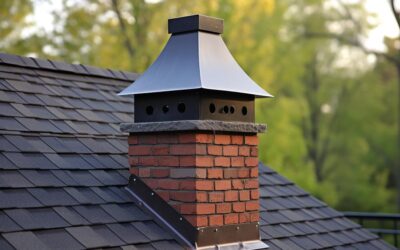
✅ Install a chimney cap to keep debris and animals out.
2. Cold Air in the Chimney (Stack Effect)
What’s Happening?
✔️ Your chimney is too cold, creating a reverse draft.
✔️ Cold air pushes smoke back into your home instead of venting it out.
If your chimney is cold before lighting a fire, the rising smoke hits the cold air barrier and rolls back down. This issue is common in winter or if your fireplace hasn’t been used for a while.
How to Fix It:
✅ Prime the flue by burning a rolled-up newspaper near the damper before lighting your fire.
✅ Use seasoned firewood for a hotter, more efficient burn.
✅ Keep a small vent open in the room to balance air pressure.
3. Negative Air Pressure in the Home
Signs of Air Pressure Problems:
✔️ Your fireplace smokes only when doors or windows are closed.
✔️ The smoke issue gets worse when kitchen or bathroom fans are running.
✔️ Your home is tightly sealed with modern insulation.
If your home is too airtight, your fireplace struggles to pull in fresh air to feed the fire. Without proper airflow, smoke gets pulled back into your living space instead of venting up the chimney.
How to Fix It:
✅ Crack a window slightly when using the fireplace.
✅ Turn off exhaust fans (kitchen, bathroom, HVAC) while burning a fire.
✅ Consider installing a fresh air intake vent for better chimney airflow.
4. Wet or Unseasoned Firewood
Common Firewood Issues:
✔️ Wood sizzles, pops, or produces a lot of steam.
✔️ The fire burns weakly, creating excessive smoke.
✔️ There’s black, sticky creosote buildup in your chimney.
Wet or green wood doesn’t burn efficiently and creates thicker, cooler smoke that lingers inside the chimney. This leads to creosote buildup, which increases the risk of chimney fires.
How to Fix It:
✅ Use seasoned hardwood (oak, maple, hickory) that’s been dried for at least 6-12 months.
✅ Store firewood in a dry, covered area to prevent moisture absorption.
✅ Avoid burning pine or softwoods, as they produce more creosote.
5. A Chimney That’s Too Short
How to Identify This Problem:
✔️ Smoke blows back into the house when it’s windy.
✔️ The chimney sits too low compared to the roofline.
✔️ Smoke struggles to exit, even when the fire burns hot.
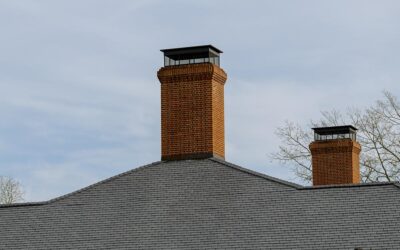
Chimneys must be at least 3 feet above the roofline and 2 feet taller than anything within 10 feet to create proper draft. A chimney that’s too short or poorly positioned can struggle with downdrafts and poor ventilation.
How to Fix It:
✅ Extend the chimney height to improve draft.
✅ Install a chimney cap with a draft-increasing design.
✅ Consult a professional chimney service for a proper assessment.
6. Wind & Weather Conditions
Symptoms of Wind-Related Smoke Issues:
✔️ Smoke blows back into your home on windy days.
✔️ You hear whistling noises coming from the chimney.
✔️ Smoke exits unevenly or lingers in the flue.
Strong winds can create downdrafts, pushing smoke back down your chimney. This is especially common if your home is surrounded by tall trees, hills, or buildings.
How to Fix It:
✅ Install a wind-resistant chimney cap to deflect downdrafts.
✅ Adjust the height and position of your chimney if needed.
✅ Ensure your chimney has proper insulation to maintain strong draft.
7. A Damaged or Improperly Sized Chimney Liner
Signs of Liner Problems:
✔️ You notice cracks, gaps, or missing flue tiles.
✔️ Your fireplace doesn’t draft properly, even with dry wood and good airflow.
✔️ Smoke smells stronger and lingers longer in the home.
The chimney liner protects the masonry and ensures proper airflow. If it’s damaged, too small, or the wrong type for your fireplace, it can cause serious ventilation issues.
How to Fix It:
✅ Have a professional chimney inspection to check for liner damage.
✅ Install a properly sized stainless steel liner if needed.
✅ Ensure the liner matches your fireplace and fuel type for efficiency.
Final Thoughts: Keep Your Fireplace Smoke-Free!
If your fireplace is smoking up your home, don’t ignore the problem! Smoke issues can indicate serious chimney problems that need immediate attention.
Quick Fixes for a Smoky Fireplace:
✔️ Check and open the damper before starting a fire.
✔️ Burn only dry, seasoned firewood for a hotter, cleaner burn.
✔️ Prime the flue with a small fire before adding more wood.
✔️ Crack a window to improve air pressure and ventilation.
✔️ Schedule a chimney inspection to identify and fix hidden issues.
Don’t wait until smoke problems get worse! Get a professional chimney inspection today!
Call Braxton at (316) 260-9305 or request an appointment online!
We proudly serve Wichita, Andover, Derby, Bel Aire, Maize, Goddard, El Dorado, Park City, Valley Center, Augusta, Eureka, Winfield, and surrounding areas.
0 Comments