


A Chimney Fire Just Happened – What Now?
A chimney fire is one of the scariest experiences for a homeowner. The roaring sound, intense heat, and thick smoke can cause panic, and even if the fire seems to have gone out on its own, your chimney may have suffered serious damage.
❌ Did you know? According to the National Fire Protection Association (NFPA), chimney fires are responsible for thousands of house fires every year, often due to creosote buildup and neglected maintenance.
If you’ve experienced a chimney fire, it’s critical to take immediate action to ensure your home and family’s safety. In this guide, we’ll walk you through the essential steps to take after a chimney fire and how to prevent future incidents.
Step 1: Get Everyone Out & Call 911
First Priority: Evacuate Immediately!
If you suspect or witness a chimney fire, get everyone out of the house and call 911 right away.
❌ Warning Signs of a Chimney Fire:
✔️ Loud cracking or popping sounds from the chimney
✔️ A roaring sound, like a freight train or jet engine
✔️ Thick, black smoke or flames coming from the chimney top
✔️ Strong, intense heat coming from the fireplace
✔️ Falling debris (glowing embers or soot) into the firebox
Even if the fire seems to burn out on its own, DO NOT USE YOUR CHIMNEY until it has been inspected by a certified chimney professional.
Pro Tip: If possible, close the damper and use a fire extinguisher to douse the flames in the firebox—but only if it’s safe to do so!
Step 2: Have the Fire Department Inspect Your Chimney
Once firefighters arrive, they will:
✔️ Ensure the fire is fully extinguished
✔️ Check for hidden flames or embers inside the chimney
✔️ Assess smoke or fire damage to your home’s structure
A chimney fire can cause cracks in the chimney liner, damaged bricks, or weakened mortar, making it unsafe for future use. Even small chimney fires can cause serious structural damage that isn’t visible from the outside.
❌ DO NOT use your fireplace again until it has been professionally inspected and repaired!
Step 3: Schedule a Professional Chimney Inspection
A Level 2 or Level 3 Chimney Inspection Is Required After a Fire!
After a chimney fire, a certified chimney sweep will conduct a detailed inspection to assess the extent of the damage.
What a Chimney Inspection Includes:
✔️ Chimney Liner Assessment – Checking for cracks, gaps, or missing sections
✔️ Masonry & Brickwork Evaluation – Ensuring no structural weaknesses
✔️ Creosote & Soot Buildup Check – Identifying excessive deposits
✔️ Flashing & Crown Inspection – Ensuring no water damage or leaks
✔️ Camera Inspection (Level 2 or 3) – Using a video scan to check deep inside the flue
❌ Why This Matters:
Even a small, slow-burning chimney fire can compromise your chimney’s safety. If left unchecked, cracks in the liner can allow heat and smoke to escape into your home, leading to a house fire.
Step 4: Repair or Replace Damaged Chimney Components
If your chimney suffered damage from the fire, professional repairs will be needed before it’s safe to use again.
Common Chimney Fire Repairs:
✅ Chimney Liner Replacement – If the liner is cracked or missing sections, a new stainless steel liner may be required.
✅ Masonry Repair & Repointing – Crumbling bricks or mortar must be restored to prevent collapse.
✅ Crown Repair & Waterproofing – Protects against moisture damage and future leaks.
✅ Flue Cleaning & Creosote Removal – Ensures no leftover creosote buildup that could ignite again.
✅ Damper & Smoke Chamber Repair – Ensures proper airflow and fireplace function.
❌ Never attempt DIY chimney repairs! Always work with a certified chimney professional to restore your chimney safely.
Step 5: Prevent Future Chimney Fires
Most chimney fires are preventable with proper maintenance and cleaning. Follow these steps to keep your fireplace safe:
1. Schedule Annual Chimney Inspections & Cleanings
✔️ A professional chimney sweep removes dangerous creosote buildup.
✔️ Recommended at least once per year (or more if you use your fireplace frequently).
2. Burn Only Seasoned, Dry Firewood
✔️ Avoid burning green or wet wood, which produces more creosote.
✔️ Use hardwoods like oak, maple, or hickory for a cleaner burn.
3. Ensure Proper Ventilation
✔️ Keep the damper fully open while the fire is burning.
✔️ Make sure the chimney flue is properly sized for your fireplace.
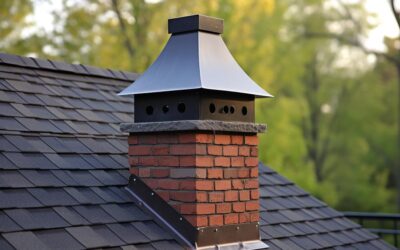
4. Install a Chimney Cap & Spark Arrestor
✔️ A chimney cap prevents debris, animals, and moisture from entering your flue.
✔️ A spark arrestor stops hot embers from escaping and landing on the roof.
5. Use a Creosote-Reducing Log or Spray
✔️ Helps minimize creosote buildup between professional cleanings.
✔️ Not a substitute for professional sweeping, but a helpful supplement.
Final Thoughts: Take Chimney Fires Seriously!
A chimney fire is a major warning sign that your chimney needs urgent attention. Even if there’s no visible damage, hidden cracks and weaknesses could lead to future fires or carbon monoxide leaks.
Key Takeaways:
✔️ Evacuate immediately & call 911 if a chimney fire occurs.
✔️ Have the fire department inspect the chimney after the fire is out.
✔️ Schedule a professional chimney inspection to assess fire damage.
✔️ Make necessary repairs before using the chimney again.
✔️ Follow proper maintenance tips to prevent future chimney fires.
Don’t wait until it’s too late—schedule your post-chimney fire inspection today!
Call Braxton at (316) 260-9305 or request an appointment online!
We proudly serve Wichita, Andover, Derby, Bel Aire, Maize, Goddard, El Dorado, Park City, Valley Center, Augusta, Eureka, Winfield, and surrounding areas.
0 Comments