


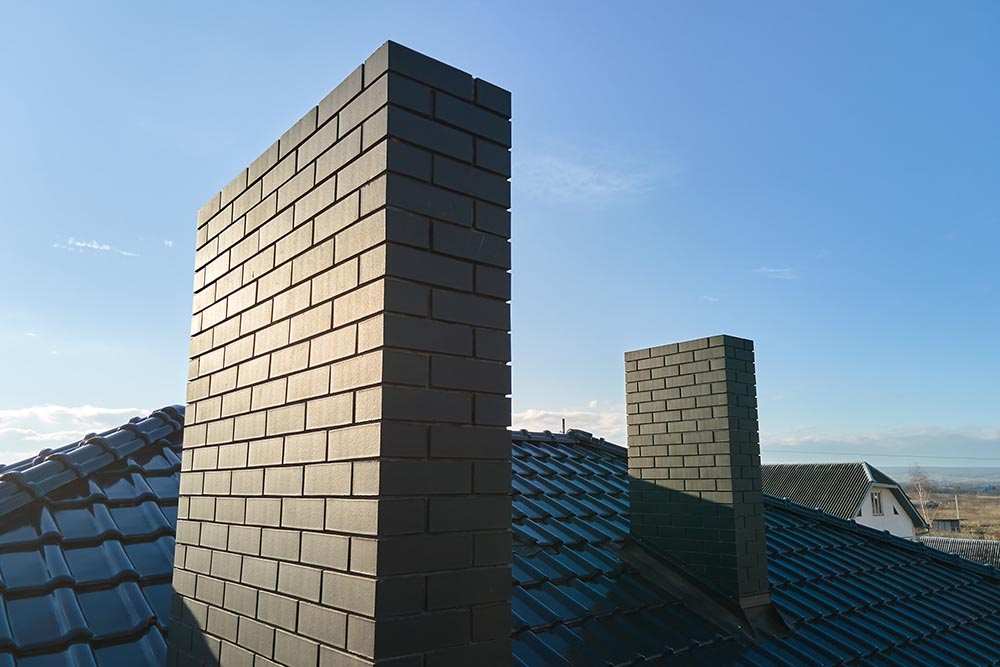
Why Annual Chimney Inspections Matter
If you own a home with a fireplace, annual chimney inspections should be a top priority. Regular chimney maintenance ensures safety, prevents costly repairs, and improves fireplace efficiency. Whether you use your chimney frequently during the winter or only occasionally, an unchecked chimney can pose serious risks, including fire hazards, carbon monoxide buildup, and structural damage.
The National Fire Protection Association (NFPA) recommends that all chimneys, fireplaces, and vents be inspected at least once a year, regardless of usage. In this blog, we’ll explore why annual chimney inspections are critical and how they protect your home and family.
1. Prevent Chimney Fires
One of the most significant reasons for regular chimney inspections is to reduce the risk of chimney fires. Over time, creosote buildup (a highly flammable byproduct of burning wood) accumulates inside the chimney flue. If the buildup becomes thick enough, a single spark can ignite a dangerous chimney fire.
Signs of creosote buildup:
✅ Black, tar-like residue inside the flue
✅ Strong, smoky odor coming from the fireplace
✅ Reduced airflow and poor chimney draft
An annual inspection ensures that creosote buildup is properly identified and removed before it becomes a hazard.
2. Identify Structural Damage Early
Your chimney is constantly exposed to weather, heat, and moisture, which can cause masonry deterioration, cracks, and leaks over time. A damaged chimney can allow water to seep inside, leading to costly brick and mortar repairs.
What inspectors check for:
✅ Cracks in the chimney liner
✅ Loose or missing chimney bricks
✅ Damaged chimney crown or flashing
✅ Signs of water damage inside the chimney
By catching small issues early, homeowners can avoid major repairs that could cost thousands of dollars.
3. Prevent Carbon Monoxide Poisoning
A blocked or damaged chimney flue can cause carbon monoxide to leak into your home, putting your family at serious risk. Carbon monoxide is a colorless, odorless gas that can lead to symptoms like headaches, dizziness, nausea, and even death.
Common causes of carbon monoxide leaks:
✅ Blocked flue due to creosote, nests, or debris
✅ Cracked or deteriorated chimney liner
✅ Poor ventilation in the chimney system
An annual chimney inspection ensures that your flue is clear and functioning properly, keeping your home safe.
4. Keep Pests Out of Your Chimney
Birds, squirrels, raccoons, and other wildlife love to nest in chimneys, especially if there’s no chimney cap in place. These animals block airflow and create fire hazards, and their nesting materials can trap moisture, leading to mold and deterioration.
Signs of animal activity in your chimney:
✅ Strange noises inside the chimney
✅ Foul odors coming from the fireplace
✅ Twigs, leaves, or debris falling into the hearth
During an inspection, a chimney professional can identify any animal intrusions and recommend solutions, such as installing a stainless steel chimney cap to prevent future nesting.
5. Ensure Proper Ventilation & Fireplace Efficiency
A clean, well-maintained chimney allows your fireplace or heating appliance to function efficiently and safely. Blockages, creosote buildup, or flue damage can restrict airflow, leading to poor combustion, excess smoke, and heat loss.
Benefits of a properly functioning chimney:
✅ More efficient burning = lower heating costs
✅ Reduced smoke = better indoor air quality
✅ Fewer drafts = a more comfortable home
An annual inspection ensures your chimney flue is properly ventilating smoke and gases, keeping your home warm, safe, and energy-efficient.
6. Save Money on Repairs & Insurance Claims
A small chimney issue today can turn into a costly repair tomorrow. By scheduling annual inspections, homeowners can catch minor problems before they escalate, saving hundreds or even thousands of dollars in repair costs.
Why annual inspections save you money:
✅ Prevents expensive chimney rebuilds
✅ Reduces the risk of costly chimney fires
✅ Keeps insurance claims lower by avoiding major damages
In many cases, homeowner’s insurance may not cover chimney repairs if neglect is determined. Having a record of annual chimney maintenance can help support insurance claims in case of damage.
When Should You Schedule a Chimney Inspection?
It’s best to schedule your annual chimney inspection:
✅ After winter, to assess damage from freezing temperatures
✅ Before fall or winter, to ensure your chimney is safe for burning season
✅ After buying a home, to confirm the chimney is structurally sound
If you notice smoke issues, strange odors, water leaks, or animal activity, don’t wait—schedule an inspection immediately.
Schedule Your Chimney Inspection Today!
At Turn of the Century Chimney, we provide comprehensive chimney inspections to ensure your fireplace, flue, and ventilation system are safe and efficient. Our CSIA-certified professionals use advanced inspection tools to identify problems early and help prevent costly repairs.
Call Braxton at (316) 260-9305 or request an appointment online today!
We proudly serve Wichita, Andover, Derby, Bel Aire, Maize, Goddard, El Dorado, Park City, Valley Center, Augusta, Eureka, Winfield, and surrounding areas.
Final Thoughts
Annual chimney inspections are essential for preventing fires, detecting structural damage, improving fireplace efficiency, and keeping your home safe. By scheduling regular maintenance, you protect your investment, reduce repair costs, and enjoy peace of mind every time you light your fireplace.
Don’t wait until it’s too late—book your chimney inspection today!


0 Comments